“You’re too sensitive”
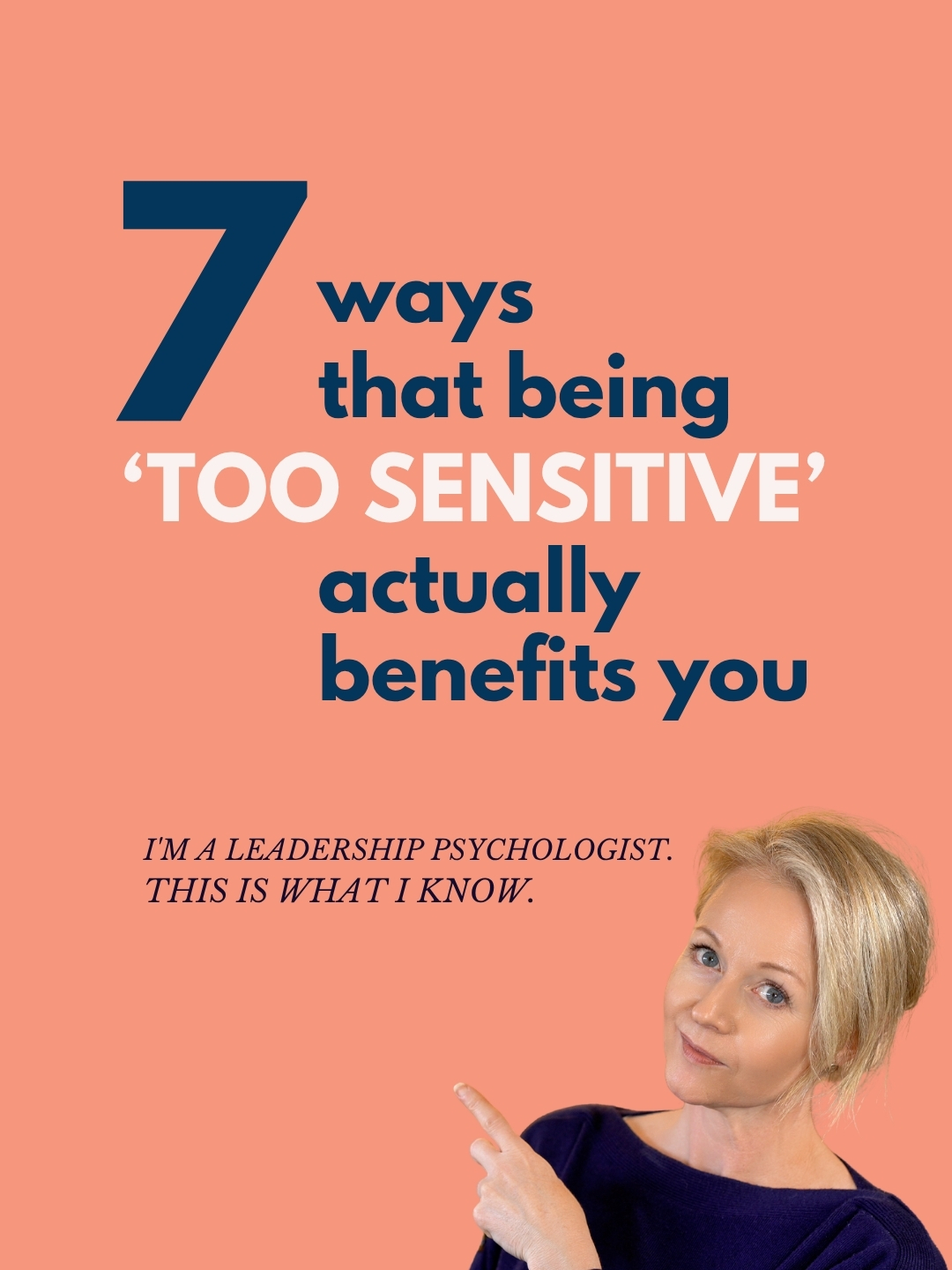
“You’re too sensitive”.
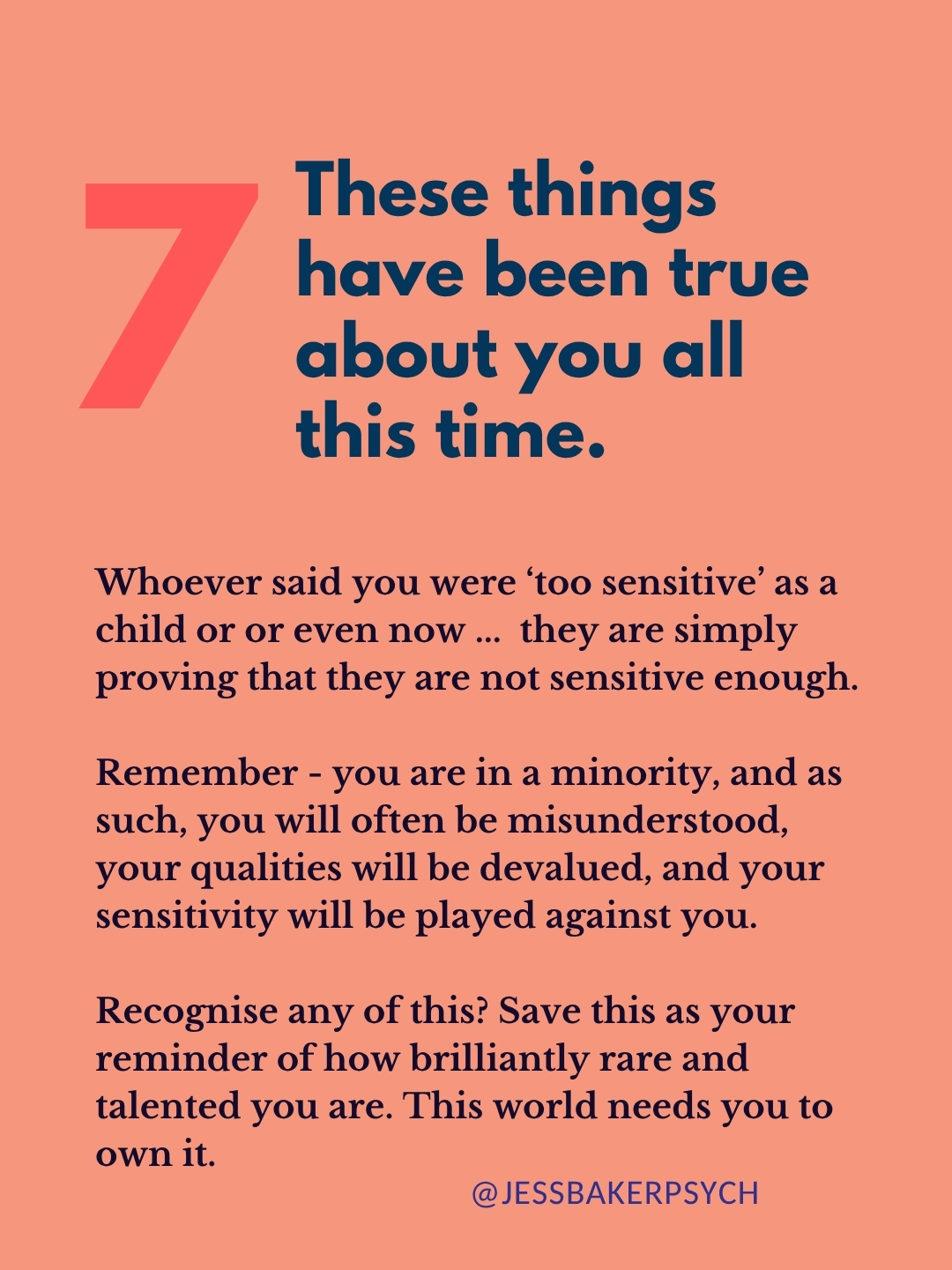
I’ve lived with this feedback all my life, and the shame that came with it. But now that I fully understand my emotional range and how rare my sensitivity actually is, I want those of you who are also ‘too sensitive’ to know too.
When someone says, “you’re too sensitive,” they are rarely offering a careful, neutral observation about your emotional range. More often, they are moving the spotlight. They are shifting attention away from what happened, what was said, what was implied, or what their behaviour created. And moving that spotlight onto you: you are flawed. But it’s also more nuanced that that…
“You’re too sensitive” can mean:
Your reaction is inconvenient for me.
Your perception is sharper than I expected.
You have noticed something I did not want named.
Your discomfort is making me uncomfortable.
I would rather question your character than examine my behaviour.
And that is why the phrase can be so damaging.
Accusing someone of being too sensitive does not simply describe someone, it encourages them to shrink, to sit on their observation, to pretend a comment was not heard, or did not hurt. And then there’s the hours the sensitive one spends asking themselves whether they did overreact and should just stay silent next time.
Over time, when you keep hearing “you’re too sensitive” may start asking: “What is wrong with me for noticing?”
And that is a very different question because sensitivity is not the same as fragility.
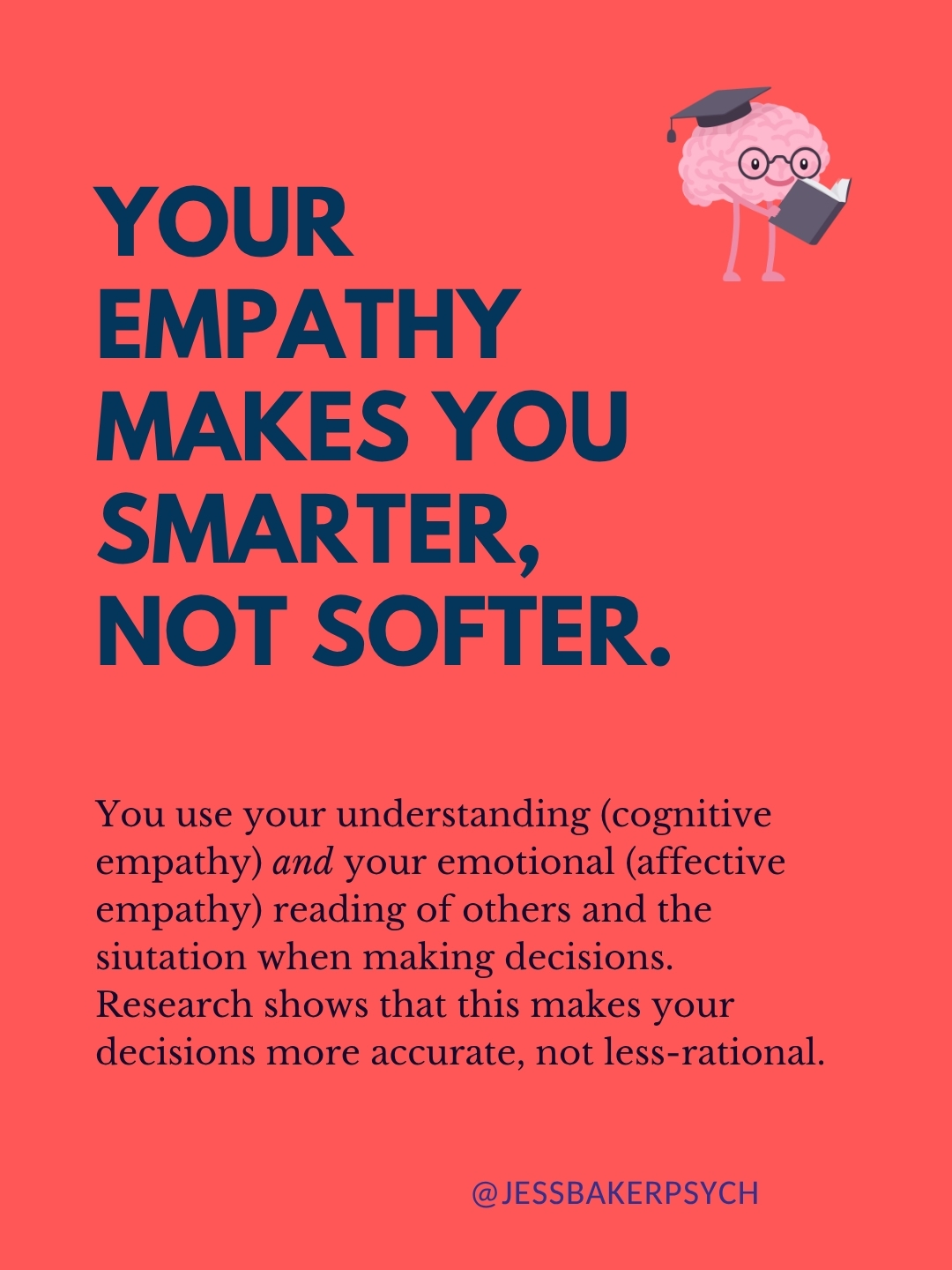
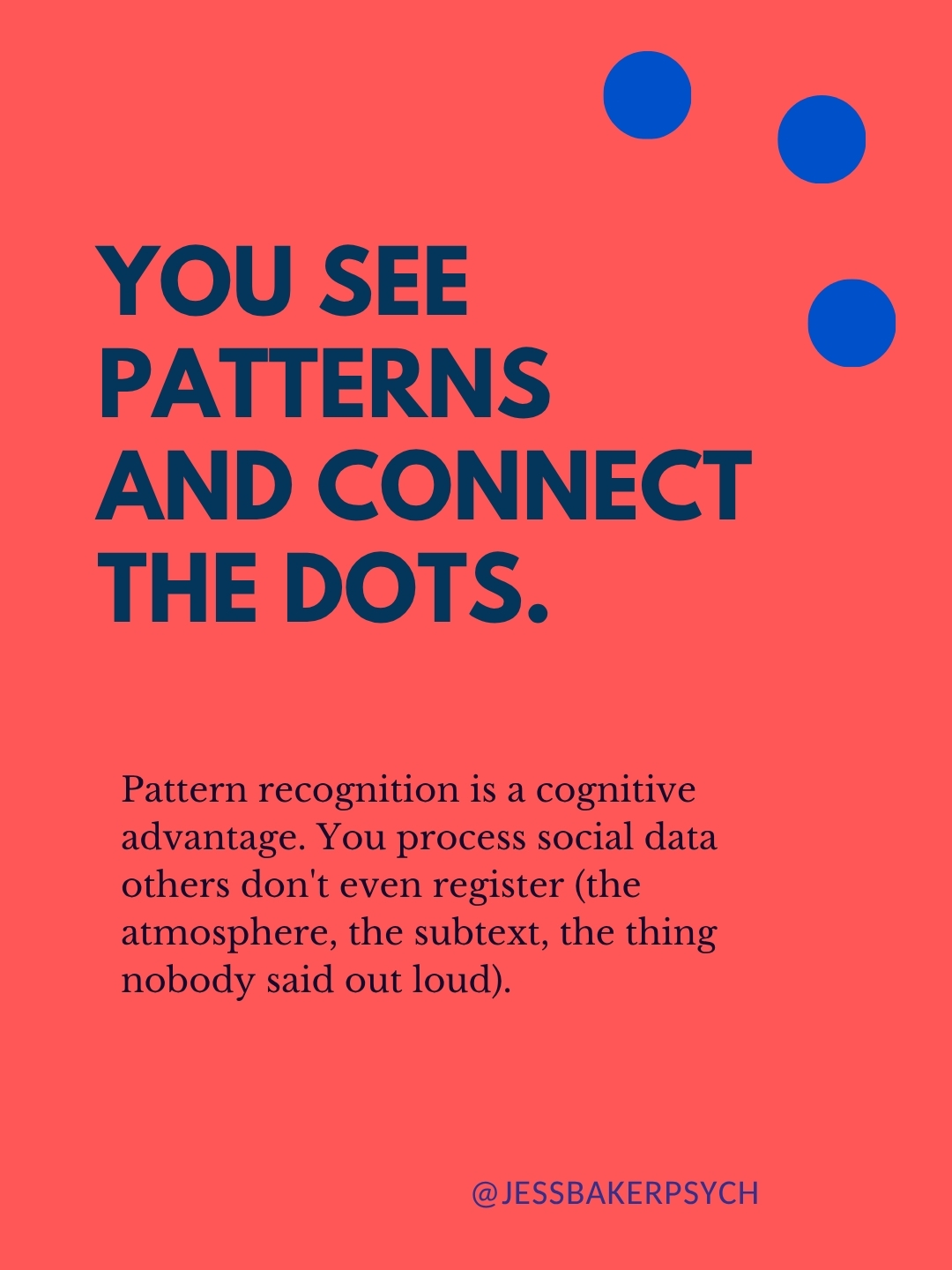
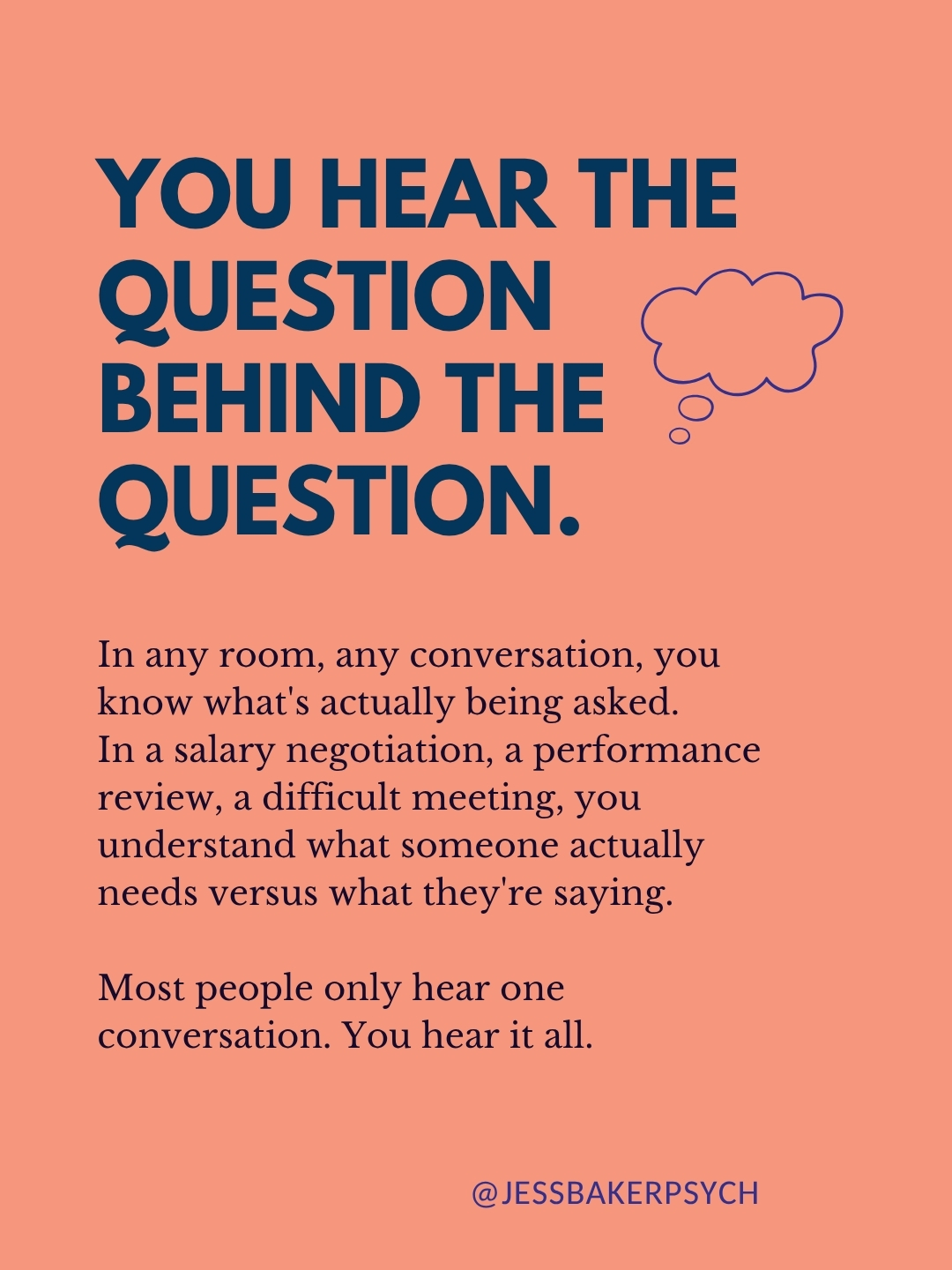
Sensitivity is perception. It is attunement. It is the ability to notice tone, tension, unfairness, contempt, exclusion, contradiction, conflict, avoidance, and all the micro-shifts other people would rather ignore.
If this resonates, please stop asking yourself “Am I too sensitive?”.
Your response to this feedback is not to become less sensitive.
Instead, go deeper, get clearer and enquire:
“What exactly did I notice?”
“What happened here?”
“Is my response telling me something important?”.
And your final question should be …
“Can I express what I see and feel in a way that reveals my insights are worth listening to, and in a way that moves the conversation forward?”
The answer is to become more discerning – to stop treating your sensitivity as they do, as if it’s a flaw, and start understanding what it’s picking up.
And when someone calls you “too sensitive,” I encourage you to bring the conversation back to the point:
“I’m willing to talk about my response. But calling me sensitive does not address the issues I’m raising and does not move us closer to a solution.”
#Empathy #leadership #credible #credibilitygap
If this resonates, try my free self-assessment to discover your credibility gaps, in the CREDIBILITY CHECK-IN
Jessbaker.co.uk/CredibilityCheck
Go straight into action with the CREDIBILITY SHIFT audio guides, which also comes with an ebook and lots of coaching questions to help you move forward in your own time.
Jessbaker.co.uk/CredibilityShift
Do something about it now…
Jessbaker.co.uk/CredibilityCatalyst
Drop a comment below or email me if you prefer. I write from the heart, from my personal experience, and draw on my decades of helping empathic professionals get promoted, or grow their business, and finally enjoy their leadership roles.